Built for the Moments That Matter: Life-Safety Monitoring in 2026
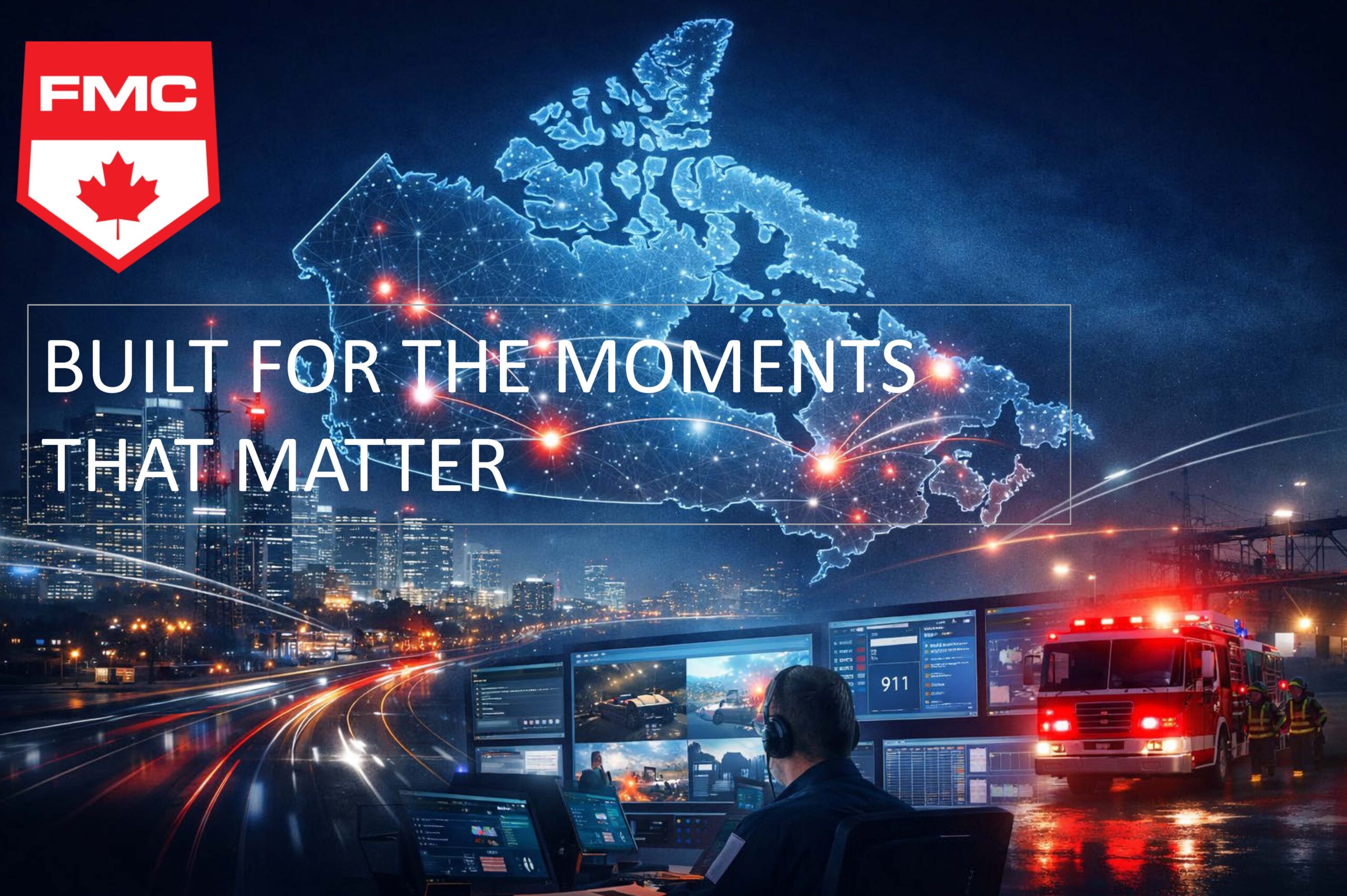
Built for the Moments That Matter: What 2025 Reinforced — and How FMC Is Preparing for 2026
As 2025 comes to a close, one truth has become increasingly clear across Canada’s life-safety monitoring landscape: systems are no longer judged by how they perform in ideal conditions, but by how they respond when conditions are anything but ideal.
This past year tested infrastructure, people, and processes. Extreme weather events, aging buildings, staffing pressures, and growing expectations around response times have reinforced something many already knew—life safety is not theoretical. It is real, time-sensitive, and unforgiving of uncertainty.
At Fire Monitoring of Canada (FMC), these realities are not new. But 2025 reinforced why the work we do, and how we do it, matters more than ever.
What 2025 Reinforced About Life-Safety Monitoring
Monitoring is often described as a background service—quiet, invisible when everything is working properly. In reality, it is an active responsibility that demands discipline, preparation, and clarity.
This year reinforced several critical lessons:
- Compliance is essential, but it is not the finish line. Standards such as ULC-S561 provide a vital foundation, yet real-world performance depends on how systems behave under stress, during outages, or when assumptions fail.
- Single points of failure are no longer acceptable. Whether related to communication paths, power, or data flow, resilience depends on thoughtful redundancy.
- Predictability matters. In moments of urgency, systems must behave consistently, and decisions must be clear, auditable, and fast.
A system that works perfectly on paper must also perform reliably when conditions are least predictable.
Designing for the Real World, Not the Ideal One
At FMC, monitoring is not approached as a static service. It is designed around real-world scenarios—what happens when power is interrupted, when networks degrade, or when information must be conveyed quickly and accurately to the right responders.
This approach means:
- Designing architectures that anticipate failure rather than assuming uptime
- Supporting both modern and legacy environments responsibly
- Ensuring signals, data, and events are handled with consistency and transparency
- Prioritizing clarity over complexity in critical moments
Our focus remains on systems that hold up under pressure, not just systems that look good on specifications.
Looking Ahead to 2026: Stability First, Progress Always
As we move into 2026, our direction is deliberate and measured.
Customers can expect:
- Continued investment in reliability, redundancy, and supervision
- Thoughtful adoption of new intelligence and data sources—only where they improve outcomes
- Clear communication as systems evolve, with stability as the priority
- An unwavering commitment to monitoring decisions that are dependable, auditable, and timely
Innovation has value only when it strengthens trust. Our responsibility is to ensure progress never comes at the expense of reliability.
A Thank You That Matters
We would like to close the year by recognizing the trust placed in FMC by the organizations we serve. Monitoring life-safety systems is not a transactional service—it is a long-term responsibility that extends beyond technology.
We also recognize the teams who work behind the scenes, around the clock, and the emergency responders who rely on accurate, timely information when it matters most.
As we enter 2026, our focus remains unchanged:
Clear signals. Reliable response. Systems built for the moments that matter.
If you’d like to discuss monitoring resilience, redundant communications, or a modernization plan that prioritizes stability, contact the FMC team.